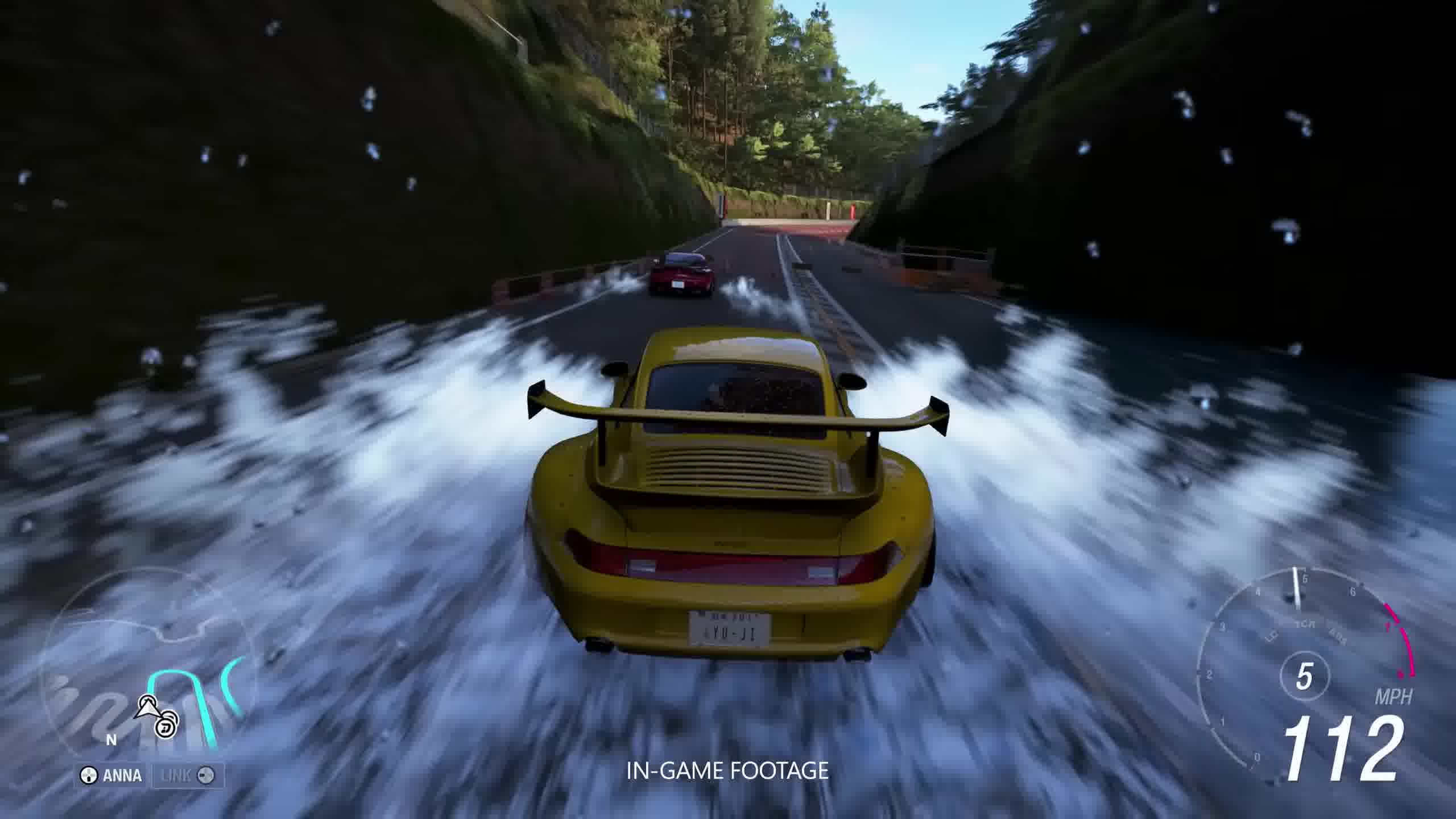
Forza Horizon 6 continues the franchise’s tradition of blending open-world driving freedom with structured progression systems, but the endgame loop shifts noticeably toward completion-driven rewards, hidden unlock tiers, and event-based car acquisition. Instead of simply unlocking vehicles through campaign progression, many of the most desirable machines are now tied to point thresholds, specialty events, and performance challenges scattered across the map.
This creates a gameplay structure where “finishing the game” is less about credits rolling and more about optimizing routes, replaying events, and pushing toward specific reward milestones—often requiring careful use of upgrades, tuning, and in some cases, additional resource investment such as FH6 Credits.
Endgame Structure: Point-Based Car Unlock System
A major shift in FH6 is the way high-end cars are gated behind accumulated event points rather than linear progression.
Example Unlock Requirements
| Vehicle | Unlock Type | Requirement | Difficulty Tier |
| Lamborghini Sterrato | Cross-country progression reward | ~7,610 points | Medium-High |
| Lotus Exige Time Attack | Specialized event chain | Multi-event completion | High |
| Hidden Drift Builds | Skill + drift event rewards | Performance thresholds | Variable |
The system encourages replaying events rather than progressing linearly, which transforms previously “optional” content into mandatory completion paths for collectors.
Cross-Country Events and Vehicle Meta Shifts
One of the most emphasized gameplay loops is cross-country racing, which traditionally sits outside the preferred “clean racing” experience for many players. However, FH6 forces engagement with this discipline by tying key vehicles—like the Sterrato—to it.
Key Observations from Gameplay Structure
- Cross-country events yield the highest point density for unlock progression
- Heavy vehicles unexpectedly perform well due to terrain physics adjustments
- AI competitiveness is inconsistent, leading to occasional dominant wins or tight finishes
- Event repetition is required for full unlock completion
This creates a “mandatory versatility” meta where players must adapt builds beyond their preferred driving styles.
Vehicle Customization & Performance Tuning Systems
FH6 expands tuning depth significantly, particularly in off-road conversions and extreme performance builds.
Example Build: Off-Road Lamborghini Sterrato
| Upgrade Category | Modification | Effect |
| Engine | Twin-turbo conversion | Higher peak horsepower (~900+ HP) |
| Suspension | Rally suspension | Improved terrain stability |
| Tires | Off-road spec | Increased traction |
| Weight | Partial reduction (~300 kg) | Better acceleration response |
| Aero | Forza aero kit | Stability trade-off vs speed |
Despite the aggressive upgrades, tuning remains highly situational—some modifications improve handling while simultaneously degrading grip, reinforcing the game’s “trade-off economy.”
Handling Model Improvements
One of the most notable systemic upgrades is the revised tire contact physics model.
Handling Changes Summary
| System | Previous Behavior | FH6 Behavior |
| Steering Input | Binary drift response | Gradual slip threshold |
| Traction Loss | Sudden oversteer | Progressive instability |
| Stability Control | Over-aggressive correction | Reduced intervention |
| High-speed cornering | Inconsistent grip | More predictable load transfer |
The result is a driving model that rewards precision throttle control rather than brute input correction.
Event Economy and Reward Loop
The progression loop is heavily tied to event completion and reward accumulation. Players frequently revisit events not only for completion but for optimization of reward tiers.
Event Reward Structure
| Event Type | Reward Type | Player Motivation |
| Speed Traps | Star ratings | Completion scaling |
| Cross-country races | Car unlock points | Progress gating |
| Sprint races | Skill + credits | Efficiency farming |
| Time trials | Leaderboard positioning | Competitive optimization |
A recurring theme is that early completion is rarely “true completion”—many events require revisiting for higher star thresholds or improved performance metrics.
Economy Pressure and Credit Systems
While core progression is skill-based, FH6 subtly integrates economic acceleration systems tied to progression efficiency. Players often discuss optimizing acquisition rates through in-game resources or external purchasing pathways.
Some players reference tools such as Forza Horizon 6 Credits or consider whether to buy Forza Horizon 6 Credits to reduce grind time, especially when aiming for full vehicle collection or rapid build experimentation.
These systems primarily influence:
- Vehicle acquisition pacing
- Build experimentation frequency
- Endgame completion speed
Importantly, credits act as a secondary progression layer rather than a primary gate, but they become increasingly relevant in late-game optimization scenarios.
Hidden Vehicle Pool and Completionist Pressure
A defining aspect of FH6 is the way desirable vehicles are distributed across obscure reward tracks rather than obvious unlock trees.
Completionist Reward Categories
| Category | Example Rewards | Player Impact |
| Accolades | Cosmetic + minor vehicles | Low priority |
| Event chains | Specialty cars | Medium priority |
| Full completion paths | Rare builds | High priority |
| Seasonal/rotational content | Meta vehicles | Variable urgency |
This structure creates a psychological push toward “just one more event,” especially when only a single objective remains before unlocking a major reward.
Driving Experience Highlights
Beyond systems, the moment-to-moment gameplay emphasizes:
- High-speed traversal across mixed terrain
- Unexpected vehicle class effectiveness (e.g., trucks outperforming sports cars in cross-country)
- Drift builds being viable even in structured race environments
- Strong visual feedback during speed trap and jump events
The overall tone leans toward controlled chaos rather than strict simulation or arcade purity.
Conclusion: A Completion-Driven Open World Loop
Forza Horizon 6 reshapes its progression philosophy around structured completion pressure layered on top of open-world freedom. Rather than simply unlocking cars through narrative advancement, players are encouraged to optimize event routes, revisit challenges for higher efficiency, and pursue hidden or point-gated vehicles through sustained engagement.
Whether players choose to optimize through gameplay alone or accelerate progression using systems like FH6 Credits, the underlying design remains the same: progression is no longer linear—it is a loop built around mastery, repetition, and targeted unlock chasing.