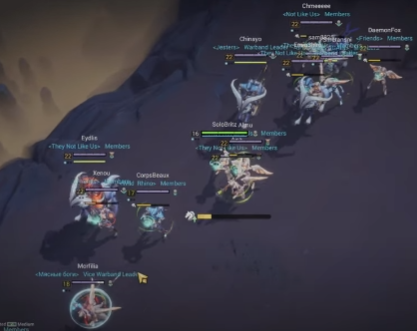
In the realm of science fiction and fantasy gaming, few titles have emerged with as much narrative depth and emotional resonance as Warborne Above Ashes Solarbite. This game goes far beyond its tactical gameplay mechanics, offering players an intricate world laced with symbolism and allegorical storytelling that invites critical reflection and emotional engagement. Its richly layered narrative and visual storytelling are not just captivating—they elevate the game into a work of digital literature.
From the very start, buy Warborne Above Ashes Solarbite envelops players in a world devastated by war and riddled with technological decay. This post-apocalyptic setting is more than a backdrop—it is a metaphor for the consequences of unchecked ambition and the fragility of human progress. The scorched landscapes, shattered machines, and eerie silences speak of a civilization that reached too far and paid the price. Here, fire and ash are not just visual effects—they symbolize cleansing, rebirth, and the cyclical nature of human history. The constant contrast between light and shadow throughout the game subtly reflects the moral ambiguity of the player’s choices, challenging them to consider the price of survival and the meaning of leadership.
The titular element, the “Solarbite,” functions as a powerful allegorical symbol. It represents both a source of immense power and a curse—mirroring humanity’s complex relationship with energy, innovation, and control. In many ways, the Solarbite is reminiscent of mythological artifacts like Prometheus’s fire or the Holy Grail, suggesting that great power always demands great responsibility. Characters who seek the Solarbite often do so with noble intentions, only to face corruption, obsession, or despair, emphasizing the timeless theme that the path to power is fraught with peril.
Character design and development in Warborne Above Ashes Solarbite further reinforce its allegorical depth. Each commander and unit type reflects a different philosophy of warfare, governance, and survival. For example, the leader known as Sareth embodies utilitarian ideals, sacrificing the few for the many, while the rogue scientist Kephra clings to technocratic control and the illusion of order. Their dialogue, decisions, and conflicts highlight real-world ideologies, such as militarism, environmentalism, and transhumanism, cleverly masked within an epic sci-fi narrative. This use of character allegory allows players to explore these complex themes through interaction, rather than exposition.
Visual motifs and environmental storytelling also contribute to the game’s symbolic framework. The use of broken temples, rusting monoliths, and overgrown relics draws a parallel to our own world’s forgotten civilizations and the impermanence of empire. Frequent references to ancient texts, solar eclipses, and celestial alignments suggest a world governed by forces beyond human comprehension, blending mysticism with science in a narrative that questions humanity’s place in the universe.
Critics and players alike have praised Warborne Above Ashes Solarbite not only for its gameplay but for its philosophical and emotional layers. It delivers an experience that resonates with those who seek more than action—a story that invites introspection. For those considering whether to buy Warborne Above Ashes Solarbite, it’s important to recognize the game’s literary ambition. It is not just a strategy game—it is a story-rich journey through themes of loss, ambition, hope, and sacrifice.
In an era where many games focus solely on mechanics or monetization, Warborne Above Ashes Solarbite stands out for its commitment to meaningful storytelling. Its symbolism and allegorical structure create a lasting impression, transforming each mission into a piece of a larger philosophical puzzle. Whether you are a casual player or a narrative enthusiast, choosing to buy Warborne Above Ashes Solarbite is not just an investment in gameplay—it’s a step into a world where every detail speaks volumes.